If you are a scientist, here’s a more scientific explanation of our research:
The Saleh Lab investigates a fundamental question: How do insects cope with viral infections? This seemingly simple question has profound implications for human health, as mosquitoes and other insects are major vectors of viral diseases affecting millions worldwide.
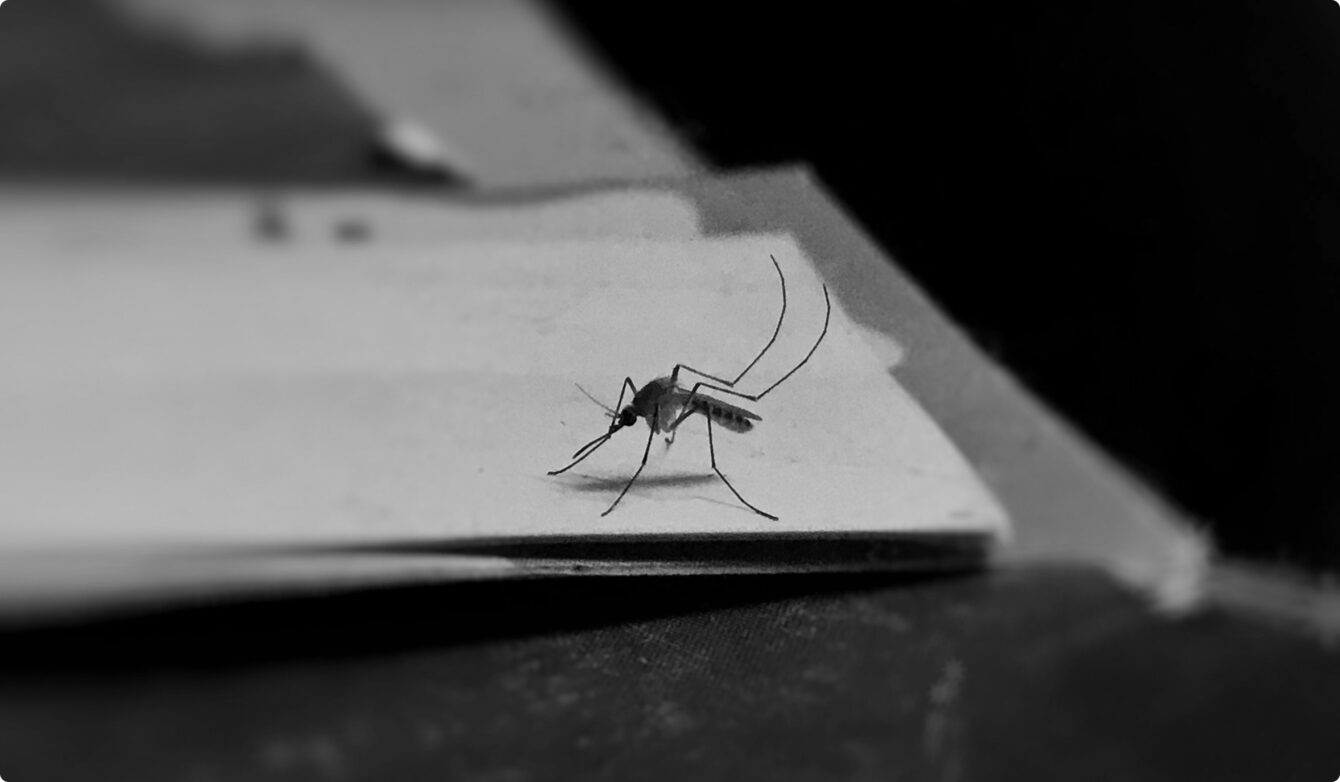
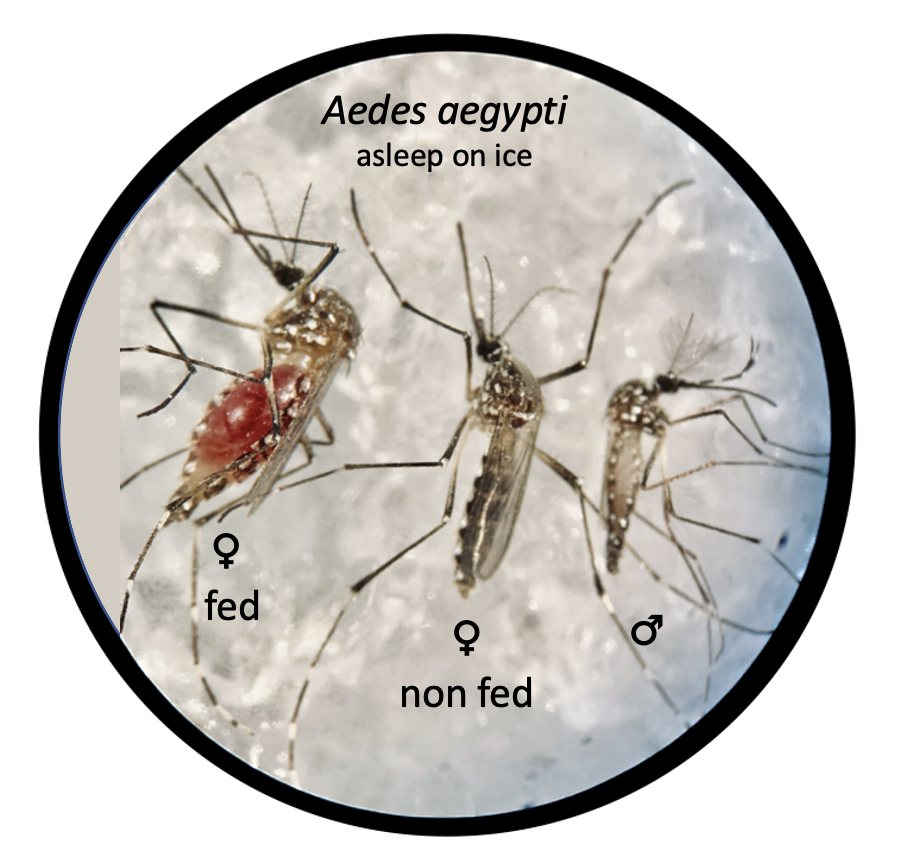
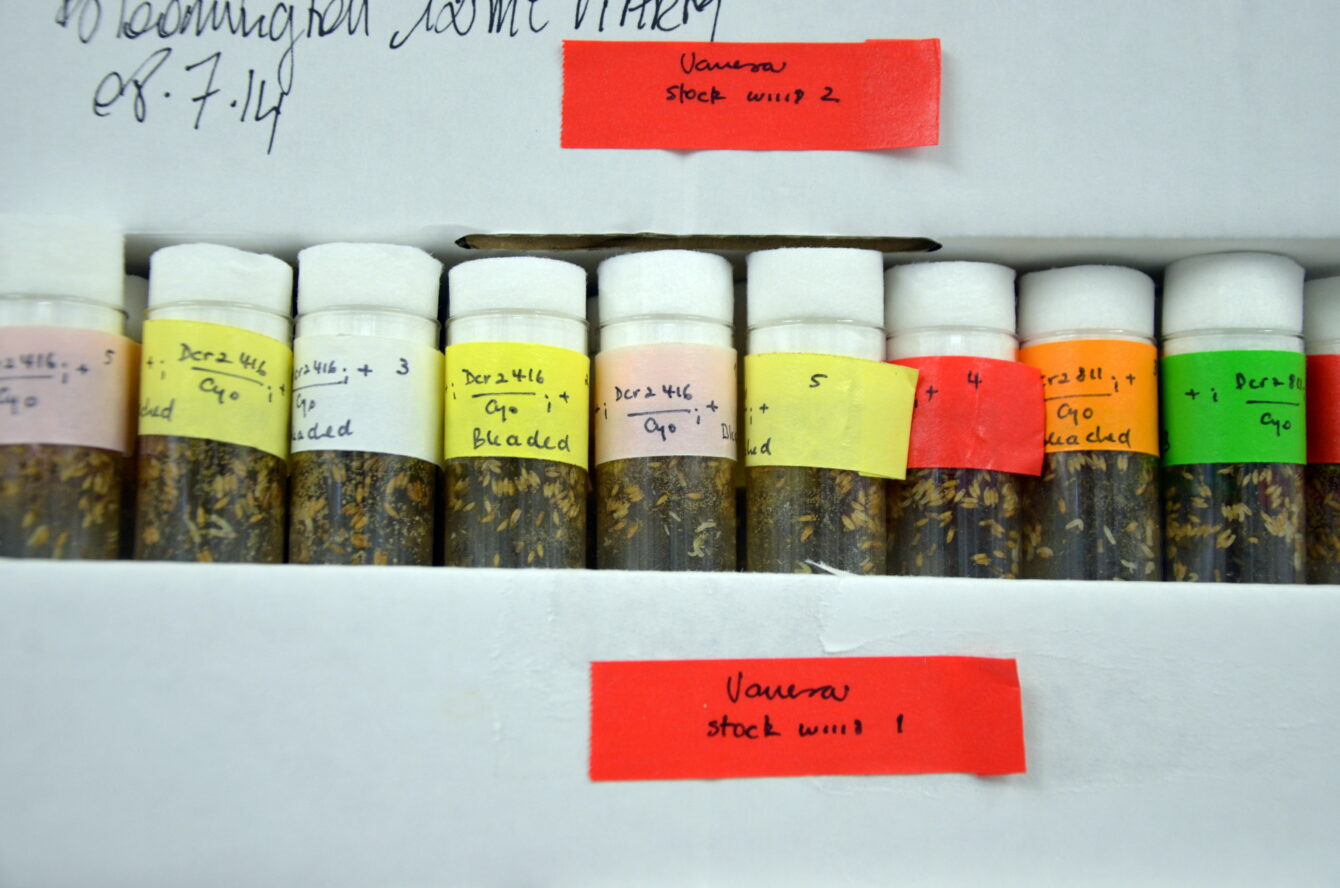
We work with the Drosophila melanogaster model for detailed mechanistic studies and with Aedes mosquitoes, the vectors of dengue, Zika, chikungunya, and yellow fever, to translate our findings into real-world applications.
Insects possess a remarkable ability to tolerate viral infections: they can harbor high levels of viruses that are deadly to humans while showing minor signs of disease themselves. This tolerance is key to disease transmission: mosquitoes need to survive long enough after infection to pass viruses to new hosts. Understanding the mechanisms behind this tolerance could revolutionize how we combat insect-borne diseases.
Our Main Discoveries
Over the past decade, we’ve made several discoveries that challenge traditional views of invertebrate immunity:
Transgenerational Immune Memory in Insects: We demonstrated that insects possess a form of immunological memory, contradicting the long-held belief that only vertebrates have adaptive immunity. When fruit flies or mosquitoes encounter a virus, they not only protect themselves but also transmit this protection to their offspring for multiple generations. This « transgenerational immune priming » involves the creation of viral DNA that is passed down through generations, providing a molecular memory of past infections.
Transposons as Immune Defenders: We discovered an unexpected alliance between the immune system and transposons, « jumping genes » once considered merely genomic parasites. During viral infection, the reverse transcriptase enzyme from transposons creates DNA copies of viral genomes. These viral DNA molecules boost the production of small interfering RNAs, amplifying the insect’s antiviral response and enabling tolerance to persistent infections. Blocking this process makes viral infections lethal to mosquitoes.
Cell-to-Cell Communication in Immunity: We revealed that insect cells use nanotube-like structures to transfer antiviral signals and RNA interference machinery between cells, establishing a sophisticated systemic immune response throughout the organism. We also identified Hsc70-4 as the cellular receptor mediating dsRNA internalization in Drosophila cells, uncovering an unexpected new role and subcellular localization for a heat shock protein.
The Gut as an Immune Barrier: We’re investigating how viral infections affect intestinal homeostasis in fruit flies, revealing that viruses can disrupt the delicate balance of gut renewal, leading to chronic inflammation and accelerated aging, findings with implications far beyond insects.
Some of Our Current Projects
– We’re exploring how viral infections disrupt intestinal homeostasis and accelerate aging in fruit flies, using cutting-edge single-cell sequencing to understand which cells respond to infection and how these responses affect the entire organism’s lifespan.
– Building on our transposon discoveries, we’re developing a revolutionary approach to vector control. By identifying and inactivating the specific transposons that enable mosquitoes to tolerate viruses, we aim to make viral infections lethal to mosquitoes while leaving uninfected populations unharmed, a targeted, evolution-resistant strategy for disease prevention.
– We’re harnessing the power of the mosquito microbiota, the community of bacteria and viruses living in and on mosquitoes, to prevent disease transmission. By colonizing mosquitoes with protective bacteria or viruses that interfere with human pathogens, we aim to create naturally resistant mosquito populations. We also investigate how the microbiota impacts fitness, gut health, and vector competence in the mosquito host.
Our Approach
We combine diverse expertise—genetics, virology, entomology, evolution, molecular and cell biology, structural biology, and bioinformatics—using both model organisms (primarily fruit flies and mosquitoes) and natural pathogens.
Importantly, we don’t view the immune system as simply a collection of pathways that eliminate pathogens. Instead, we see it as an integrated system that maintains the organism’s functional robustness during infection, balancing defense with tolerance, survival with reproduction, and immediate protection with long-term adaptation.
Impact and Translation
Our fundamental discoveries are yielding practical applications. We’ve filed patents for using our findings in agricultural pest control and for developing therapeutic interfering particles against viral diseases. Our work on dsRNA uptake mechanisms could revolutionize crop protection strategies, while our mosquito-based interventions could provide new tools to combat emerging epidemics.
By revealing the sophisticated strategies insects use to coexist with viruses, we’re not only rewriting the textbook on invertebrate immunity but also creating a foundation for innovative public health interventions that could save millions of lives.